Leave No Trace Canada FEB. newsletter

February Newsletter 2023

February Already Coming up this year, a lot is happening at Leave No Trace Canada, and we hope you will continue to work with us as we renew and expand our message via our partners and many supporters. We have some board openings and other volunteer needs – please consider the ask for help in this edition! Also in this NEWS, you will see content regarding our canine friends. We know there is considerable discussion attached to the on-going off-leash issue -for land managers and users. With a positive dialogue, based on the known impact of dogs in natural areas, we believe that progress is possible with realistic outcomes. On that note, Leave No Trace Canada will continue to encourage a responsible approach to reducing our impact outdoors.
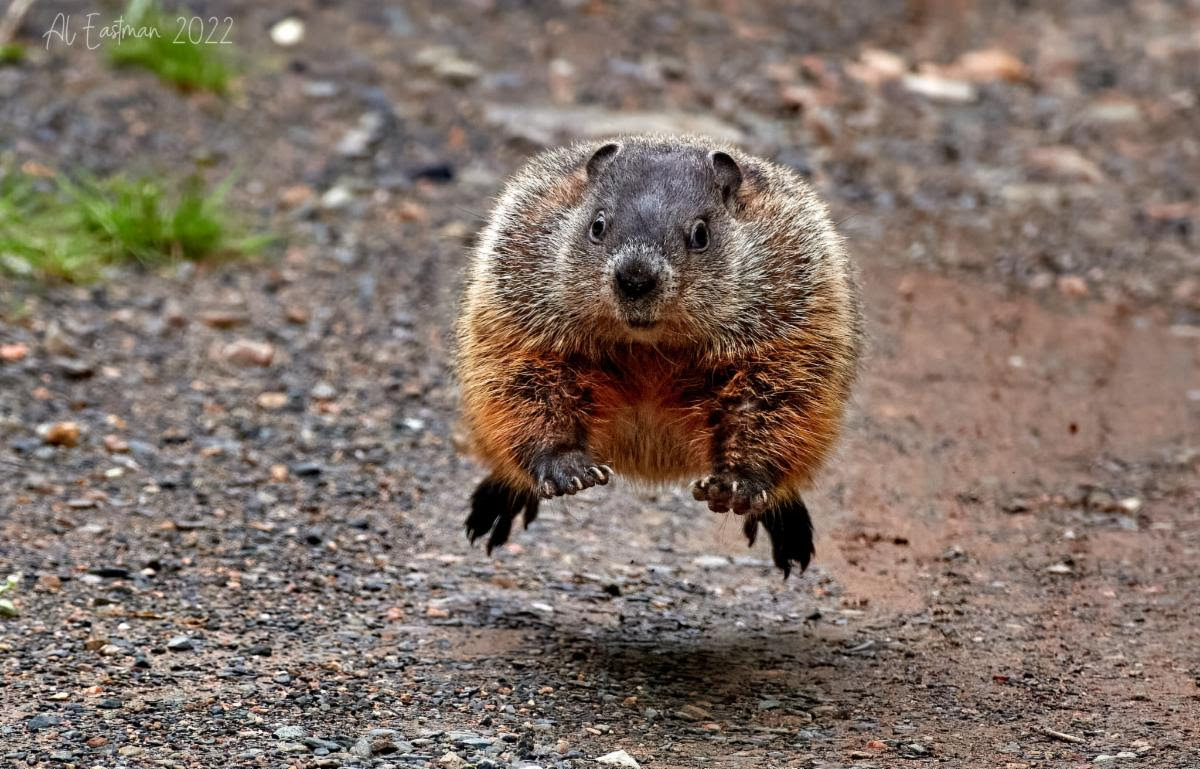
Recognize this guy? Photo c/o Al Eastman and the rescue program at Cobequid Wildlife Rehab Centre, Nova Scotia – one of our partners who is well aligned with Principle 6 “Respect Wildlife!”

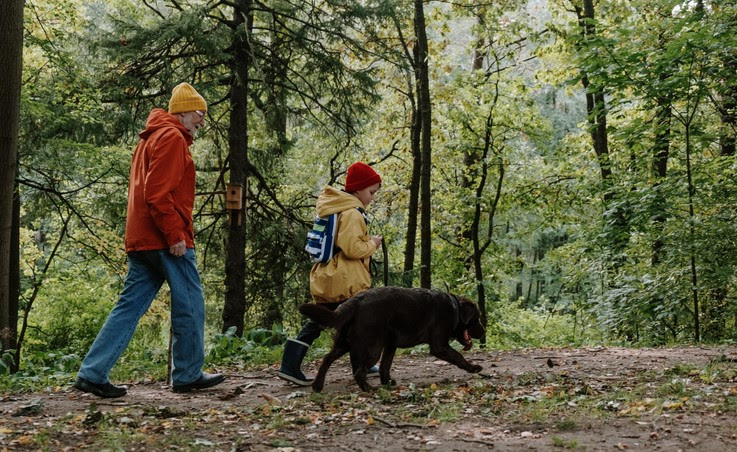
Dogs and Wildlife As a responsible owner of a well behaved pooch, the idea of parks or trails not allowing dogs might seem absurd. Who loves the outdoors more than Fido? Just as there are places that motorized vehicles aren’t welcome and even some where humans shouldn’t go, there are some special, wildlife rich places that need protection from dogs, too. Rigorous and overwhelming evidence shows that dogs and wildlife don’t mix. We appreciate that this subject can be divisive, and we remain open to new ideas and approaches. Unfortunately, it’s not just one dog – there are usually many dogs that will frequent a well known walkway (especially those closer to urban centres) in any given week – that impact adds up (and piles up!). e.g. North Vancouver collected 27 tonnes of dog waste in 2019. Consider this… Dogs look and smell like predators – As far as deer, rodents and birds are concerned a dog is a carnivore. Even if they aren’t chased, wildlife tends to move away from dogs and may avoid anywhere they’ve been for days. Perhaps you know of an area where the wildlife is no longer seen as a result of considerable, long term off-leash impact. Wild animals rarely habituate to dogs, which means they may be avoiding their established territories, leading to people having fewer opportunities for sustainable and meaningful wildlife encounters and creating pressures in nearby areas where there is already a sustainable, native animal population. Those contacts add up -The stress of repeated exposure to dogs means animals may not be eating normally, breeding or resting as much as they should, …all leading to a suppressed immune function. Wide-spread off-leash can affect us all -Dogs also impact animals and birds by passing on diseases to wildlife and even people. Harmful parasites found in their feces can pollute water and make it unsafe for swimming. There is a large body of research out there on this subject, and you can find out more here. Also, check out the Leave No Trace guidelinesfor heading out with your favorite canine.

We’ll Be There A branch of the Canada Parks Council,the Canadian Parks Collective for Innovation and Leadership (CPCIL), is sponsoring an e-Summit at the end of February with a focus on stewardship (that’s us!) among other themes. This is an important meeting of the minds for land managers and researchers from across Canada. From CPCIL: “Since 2020, multiple capstone projects and solo challenges have questioned the best way to promote environmental stewardship among visitors and whether a panCanadian approach would be best. The 2023 Applied Regional Workshop will bring together experts and eSummit participants to work through this challenge and develop possible ways forward.”

Our Newest Partner 10 Adventures is a very recent sign-on to our partnership program. From their website: 10Adventures was founded in 2016 to make it easier for people to plan their next 10Adventures and to help and enable others to live a more adventurous life. This travel company specializes in helping clients plan trips to over 65 countries, and they’re based right here in Calgary, Alberta. Practicing Leave No Trace can really make a difference to high impact, popular destinations. Click on the picture and check out their website!

Travelling in the shadow of Mount Assiniboine, Alberta. Photo c/o 10 Adventures
Did you miss our last issue of the NEWS? Here’s a link to our December, 2022 edition where you’ll find our “Naked in the Woods” feature! Please share your NEWS with others and help to spread the Leave No Trace message!

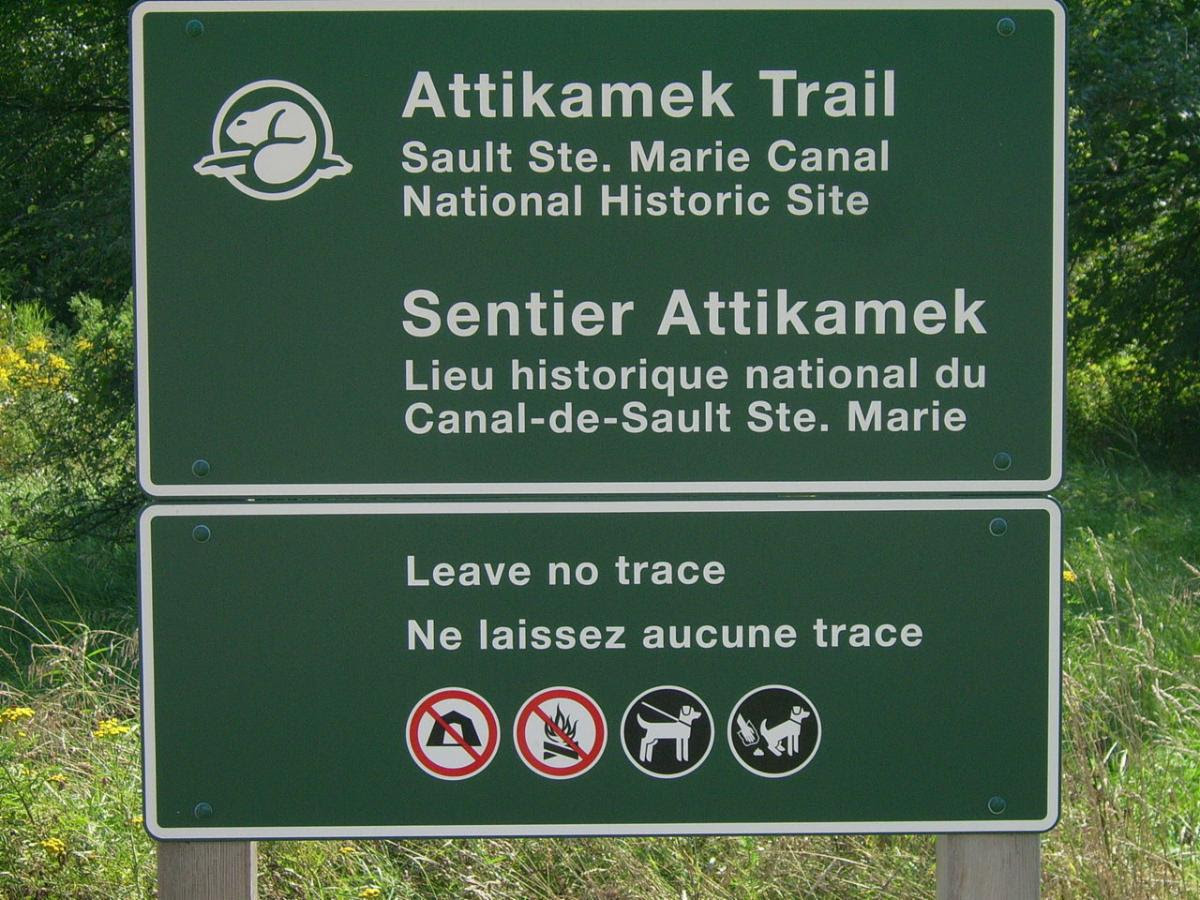
Welcome Back Parks Canada It’s a reunion! The federal agency that manages national parks across the country was one of Leave No Trace Canada’s founding partners. Parks Canada has always supported our principles and mission. Now they’re back working with us to make Leave No Trace practises synonymous with park visits, whether in the heart of Toronto or the ice fields of Kluane. Nearly every national park and many historic sites make a reference to Leave No Trace c/o websites, social media, print and signage. We expect to be sharing more soon about our long term ally in the promotion of responsible outdoor recreation.

young-man-snow.jpg

We need your skills at Leave No Trace! Demands for our services are ramping up! We currently have openings for board members and skill sets that are needed to accomplish our Mission in Canada. Do you have interests in tourism, fund raising, indigenous culture, public outreach, marketing, website management (WordPress), membership. Even a small amount of volunteer time can make a big difference! For education/training, we are launching a new committee with an action outcome focus – an opportunity to make your mark at the national level! You can let us know of your interest c/o our volunteer application, (or just send us an email). Let’s have a conversation and see if there’s a fit!

INTERESTED IN A “Leave No Trace” PRESENTATION FOR YOUR ORGANIZATION? Contact us at info@leavenotrace.ca


Leave No Trace Canada FEB. newsletter

Share this Post

Know someone who might be interested? Share this post with them.